






Day of the African Child 2024
SAWA celebrated the Day of the African Child 2024 with children at the Raya Islamic Foundation orphanage in Melela Ward, Mvomero District, sharing gifts and marking the occasion together.
Read more
 SAWAWANAWAKE TANZANIA
SAWA envisions a society in which women, girls and children in Tanzania are valued, their basic human rights are respected, and their needs are met sustainably to improve their wellbeing and livelihoods.
Get StartedSAWA Wanawake Tanzania (SAWA) is a women-led, non-governmental, non-partisan, non-racial and non-profit organisation established in Morogoro Region. It is registered under the Non-Governmental Organizations Act, No. 24 of 2002, with registration number 00NGO/R/0221. SAWA was founded in 1996 by 12 widowed women facing economic hardship after losing their husbands. Seeking dignity, independence and a better future for their children, they formed a self-help group using savings and lending to support one another. The initiative grew into a wider vision for community transformation. Recognising the importance of early learning, the founders established an inclusive model school for children facing disadvantage and exclusion. SAWA now focuses on early childhood development, quality inclusive basic education, and women’s and girls’ economic empowerment. Solidarity, resilience and collective action guide its work with women, children and families across Tanzania.

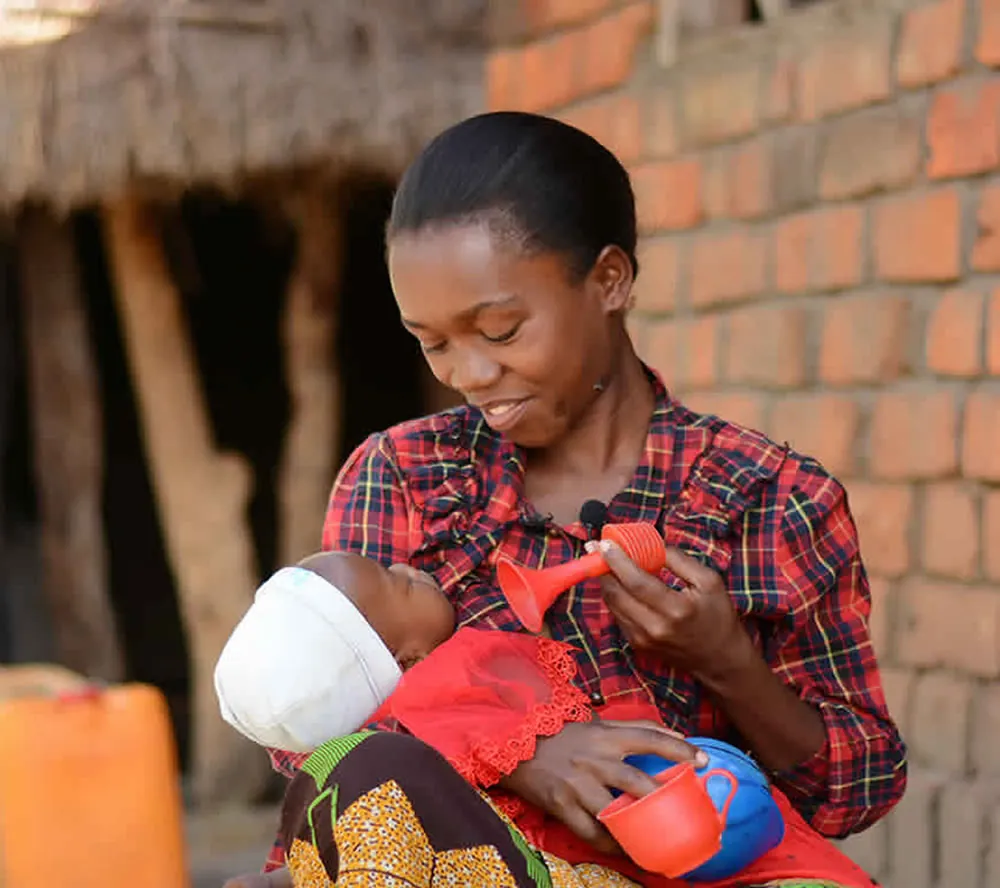
Anna Exavery, 25, is married with 2 children and participates in SEGA’s Modern Girl Programme. She lives in Kanisani Hamlet, Mlaguzi Village, Mvomero District. Training and business support helped her expand her cereal business and strengthen her family’s livelihood.

“My name is Magdalena Mussa Lembasi. I am 15 and in Form Three at Doma Secondary School. I am the eldest of five children in a Maasai pastoralist family in MKATA Village, Doma Ward. Access to safe school accommodation has helped me continue my education.”

Maria Sabida Damboi, a teacher specialising in early learning at Matale Primary School, describes how classrooms, sanitation facilities and teachers’ housing helped her settle into work at a remote school, almost 85 km from Mvomero District Council.

ALI HUSSEIN MANANGA, a 14-year-old Grade V student at Msongozi Primary School, describes how new classrooms, toilets and a borehole provided by SAWA and ChildFund Korea have improved learning conditions and reduced time spent fetching water.

Zamra Juma, a 14-year-old Grade 6 student at Dibamba Primary School, shares how improved classrooms and clean toilets have made school safer and helped her attend during her menstrual period.
 June 16
SAWA celebrated the Day of the African Child 2024 with children at the Raya Islamic Foundation orphanage in Melela Ward, Mvomero District, sharing gifts and marking the occasion together.
 February 23
ChildFund Korea visited Makuture and Mtakuja villages, marking the beginning of a promising collaboration for positive change.
 January 27
Ambassador Theresa Zitting meets IKIWA participants, trainers, government representatives and the SAWA team.