
SEGA Graduate Business Fund Project
SAWA collaborates with Secondary Education for Girls' Advancement (SEGA) from 2022 to 2026 to promote economic empowerment for SEGA graduates through a loan programme. To date, 134 graduates have benefited from the initiative, receiving interest-free loans that support them in establishing and expanding small businesses. The beneficiaries are spread across Mvomero District Council, Morogoro Municipal Council, and Morogoro District Council, contributing to improved livelihoods, increased income generation, and greater economic independence among young women. To learn more about SEGA and its work, visit SEGA’s official website.
SEGA Graduates Fund Project Planned Activities
The SEGA Graduates Business Fund Programme has operated since 2022, providing SEGA School and Modern Girl graduates with entrepreneurship training and small loans to build profitable, sustainable businesses. Girls in Tanzania face financial and social barriers, including harassment and exploitation. The project background cites World Bank figures of 30,000 girls leaving secondary school each year, including 5,500 due to pregnancy, and Girls Not Brides figures indicating that 31% marry before age 18. Even young women who complete their education face limited formal employment opportunities and risks of sexual exploitation when seeking work.
Many young women start income-generating activities because formal employment opportunities are limited. Running a business can increase autonomy and reduce exposure to exploitation. However, access to credit, business planning and management skills remains a challenge. SEGA’s Girls’ Business Development Programme builds on earlier programmes and responds directly to graduates’ feedback, helping young women identify viable markets, grow their enterprises, monitor progress and earn a profit.
Project Implementation Partnership
SEGA partners with SAWA Wanawake Tanzania, a locally led education and microfinance organisation, to deliver this programme. SAWA brings 20 years of experience in microfinance initiatives supporting women and children facing disadvantage.
SEGA is a Tanzanian non-profit organisation, registered as a company limited by guarantee in 2007 and as a non-governmental organisation in 2020. Based in Mkundi, Morogoro Municipality, it is authorised to operate in mainland Tanzania under registration No. 00NGO/R2/000232 and the Non-Governmental Organizations Act, 2002. SEGA was established to develop and run a quality girls’ secondary boarding school that promotes strong values, self-esteem and independent thinking. Its Modern Girl (Msichana wa Kisasa/MK) programme also supports disadvantaged young women with education, life skills and entrepreneurship training.
Sawa Wanawake Tanzania (SAWA) was formerly known as Safina Women’s Association. It was initially registered in 1998 under the Civil Society Ordinance of 1954, Rule No. 5, with registration No. SO 9351. Following the government’s compulsory NGO re-registration process in 2019, the organisation adopted the name Sawa Wanawake Tanzania and received registration certificate No. 00NGO/R/0221.
SAWA pursues its vision through advocacy, training and awareness-raising with children, women, girls and communities. We collaborate with local and central government to improve wellbeing, early childhood development, basic education and community-based child protection systems.
The training used participatory methods, enabling participants to contribute throughout the course, from learning business planning and management concepts to preparing their own business plans. The facilitator also introduced credit education and business analysis.

Trained SEGA Graduates Fund beneficiaries with facilitators and SAWA officials
The training helped participants develop business plans, a key requirement for accessing the next stage of funding. It strengthened entrepreneurship and business management skills, encouraged collaboration among SEGA graduates and Modern Girl participants, and promoted community volunteering. Participants gained knowledge to seek financial support and grow their businesses.
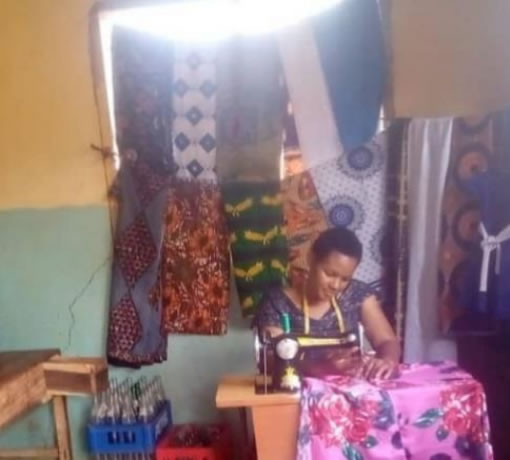
"The training helped me revise my business plan."-Prisca Kyando; Training
In the first phase, 11 SEGA graduates and 14 Msichana wa Kisasa participants received a total of TZS 15,300,000/= to develop their businesses. Training provided guidance on entrepreneurship, business development, planning, monitoring and evaluation, with a focus on profitability and long-term sustainability.
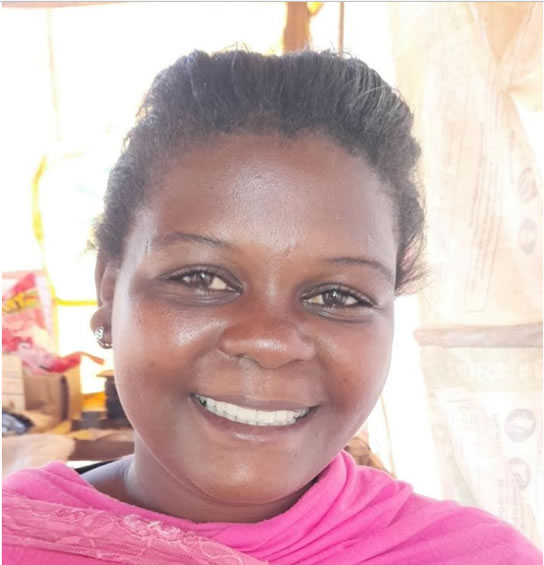
Salome Vedasto: "Nimeongeza nguvu kwenye biashara ya mama lishe baada ya kupata mkopo".
Monthly visits were planned to monitor the progress of trained SEGA graduates and Modern Girl participants. The first visit, in May 2022, assessed how trainees were applying their learning and supported the selection of successful funding applicants. The activity targeted 30 participants from Morogoro Municipal, Mvomero and Morogoro rural districts who had received business planning and management training and had started, or were preparing to start, income-generating activities.
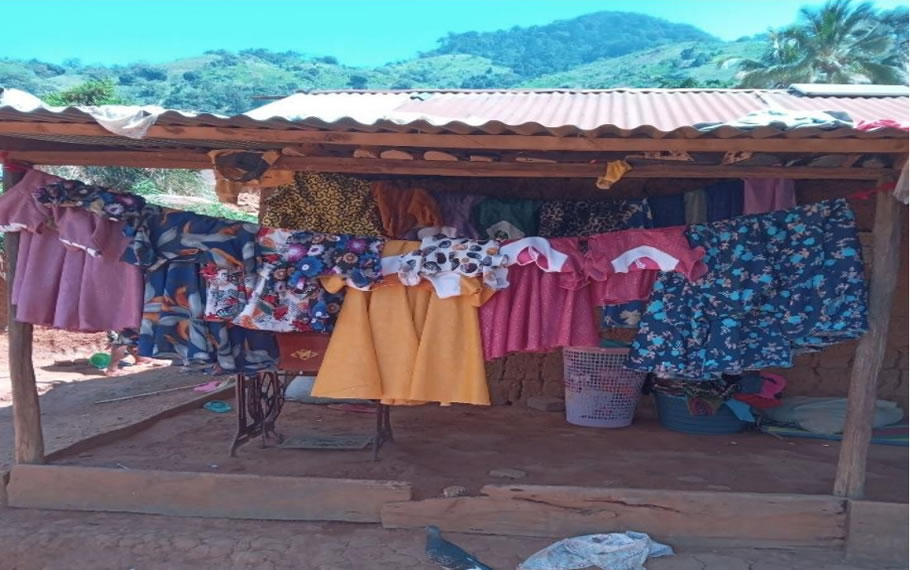
Cecilia Nicas: "My tailoring business grows day by day with the advice I receive each month".
Businesses operating from fixed premises are easier to monitor, while mobile businesses reported reaching more customers. Some participants combine both models. Owners may change their approach according to their preferences, seasonal conditions and customer demand.

A growing business operating from fixed premises, run by Prisca Michele, who received a loan in the first phase of the first cohort.
Participants discussed how to reduce business losses, which had affected timely loan repayments and business growth. The training emphasised financial discipline, careful spending, consistent opening hours and accurate record-keeping. Participants were encouraged to devote sufficient time to their businesses and limit spending unrelated to business development.

Business records kept by a programme participant